info@subilrecruiters.com

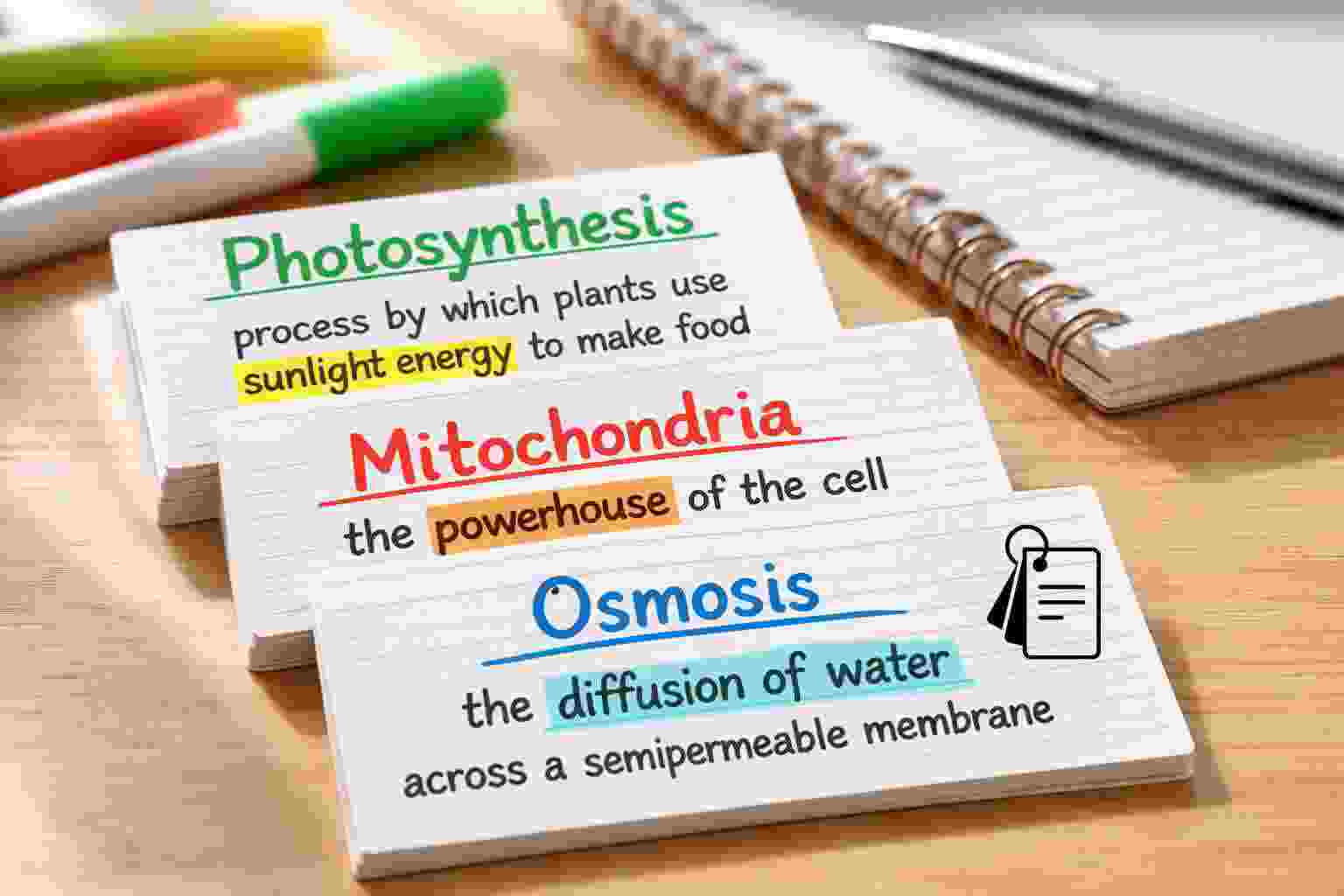
Flashcards that actually work for better memory
Many students revise for hours and still forget key ideas in tests. They read notes, highlight pages, and feel prepared the night before.
Yet the next day, answers seem distant and difficult to recall. This problem does not reflect a lack of effort or ability.
Instead, it often reflects a method that feels busy but lacks impact. You need a simple approach that turns effort into reliable memory.
In this article, I will show you how to use flashcards with purpose. Each step reflects what works in real classrooms and exam settings.
If you follow this approach, you will study with greater control and confidence.
Understand how memory really develops over time
Before you begin, you need a clear view of how memory improves. Your brain learns best when you struggle slightly to recall information.
In contrast, reading notes again often creates a false sense of confidence. For example, a student may read a page three times in one evening.
They feel comfortable, yet they cannot recall the content the next morning. This gap shows the difference between recognition and true understanding. Instead, you should test yourself early and accept small mistakes calmly.
Each attempt to recall strengthens memory and builds lasting knowledge. Over time, this effort reduces panic and supports clearer thinking in exams.
Focus on one clear idea per card
Clear learning starts with clear and simple flashcards. Each card should test one idea that you can answer without confusion.
When you add too much detail, you weaken focus and slow your progress. For instance, imagine a history student revising key events.
One card should ask for only one date or one cause. This structure allows quick thinking and accurate recall during revision.
As a result, your study sessions feel sharper and more controlled. You spend less time guessing and more time strengthening real knowledge.

Write questions that guide your thinking carefully
Strong questions shape the quality of your answers. You should write prompts that lead you towards one clear response.
Vague wording often leads to hesitation and weak recall under pressure. For example, ask “What caused the First World War?” instead of vague prompts.
This question directs your thinking and encourages a structured answer. As a result, you practise the same thinking you need in exams.
Over time, clear questions help you think with greater precision. You begin to trust your answers because you understand them fully.
Keep answers short so you can check them quickly
Keep each answer brief and easy to confirm at a glance. Long answers often hide uncertainty and slow your review process.
Short responses keep your attention focused on the key idea. For example, write “alliance tensions” instead of a long explanation.
This approach helps you move quickly through cards with a clear purpose. As a result, you maintain energy and avoid frustration during revision.
In time, you will notice that shorter answers improve the speed of recall.
Use active recall every time you study
Real learning takes place when you think before checking the answer. You should always pause and attempt a response before turning the card. This habit strengthens memory far more than reading answers repeatedly.
At first, you may feel unsure or even slightly uncomfortable. However, this discomfort signals that your brain is working effectively.
Each effort builds stronger recall and prepares you for exam conditions. Gradually, you will answer more quickly and with greater confidence.
Space your revision to strengthen memory
Strong memory develops through regular practice over several days or weeks. You should avoid long revision sessions that try to cover everything at once.
Instead, return to your flashcards after short gaps between sessions. For example, review a set today, then revisit it two days later.
Such gaps force your brain to work harder to recall the information. As a result, you strengthen memory and improve long-term retention.
Over time, spaced practice reduces the need for last-minute revision.
Shuffle your cards to avoid false confidence
Order can create comfort without building real understanding. If you review cards in the same sequence, you may rely on patterns. This habit can give the impression of learning without true recall.
Instead, you should change the order each time you revise. Mixed cards force you to read carefully and think before answering.
As a result, you prepare for exams where questions appear in any order. This simple step builds flexible knowledge that you can apply with ease.

Track your progress and focus on weak areas
Effective students pay close attention to how they perform during revision. You should notice which cards you answer well and which need more work.
This awareness allows you to focus your effort where it matters most. For instance, place difficult cards in a separate group for daily review.
Return to easier cards less often to maintain balance in your study. As a result, you improve steadily without wasting time on familiar content. This approach keeps your revision purposeful and efficient each day.
Recognise and correct common mistakes early
Some habits can limit your progress if you ignore them for too long. Many students check answers too quickly and reduce the benefit of recall.
Others avoid difficult cards because they feel uncomfortable or unsure. You should face challenges with patience and steady effort each day.
When a card feels difficult, spend time thinking before checking the answer. This effort strengthens memory and builds confidence over time.
In contrast, easy habits often lead to weak understanding and poor results.
Build a simple routine that you can maintain
Success depends on steady habits rather than short bursts of effort. You should set aside small, regular periods for focused flashcard practice.
Even ten minutes each day can produce strong results over time. For example, review cards after school or before you begin homework.
Link revision to a daily routine so it becomes a natural habit. As a result, you reduce stress and build confidence as exams approach.
Consistency will always outperform irregular and rushed revision sessions.
Final Thoughts
Take control of your learning with simple methods. Effective revision does not require complex systems or endless study hours. You need clear methods, steady effort, and honest attention to your progress.
Flashcards can support strong memory when you use them with purpose. If you follow these steps, you will notice steady and meaningful improvement. You will recall information more easily and respond with greater confidence.
Most importantly, you will feel in control of your learning each day.
You may find the following resource useful.
Useful resources
- The Study Skills Handbook (Bloomsbury Study Skills) by Stella Cottrell.
- Improve Your Memory – Learn Faster, Retain More, and Unlock Your Brain’s Potential – 17 Scientifically Proven Memory Techniques for Better Daily Living by Peter Hollins (Author).
- Mastering the Leitner System: How to Study and Memorise with Flashcards Smartly (Discovering Study Techniques by Andréia Ramos (Author)